
Search results for
(Showing 165-180 out of 337 results)
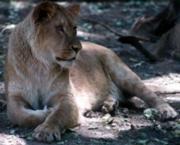
The lion is the powerhouse of the savanna, weighing in at 265-420 pounds and up to 10 feet long. The lion is a powerful predator. Imagine a powerful looking beast that looks like your average house cat. But its bigger, faster, and stronger.
Read More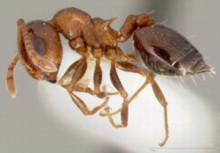
On the savannas of Kenya, Africa, there grows a tree that is exclusively inhabited by four species of stinging ants, some of which live nowhere else; Crematogaster nigriceps, Crematogaster mimosae, Crematogaster sjostedti, and Tetraponera penzigi.
Read More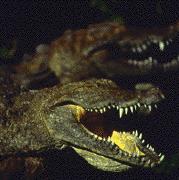
The Nile Crocodile can grow to be five meters long. They have long snouts that can grab fish and turtles. They are dark olive in color, and young ones have bands around their body. But as they get older, the bands fade.
Read More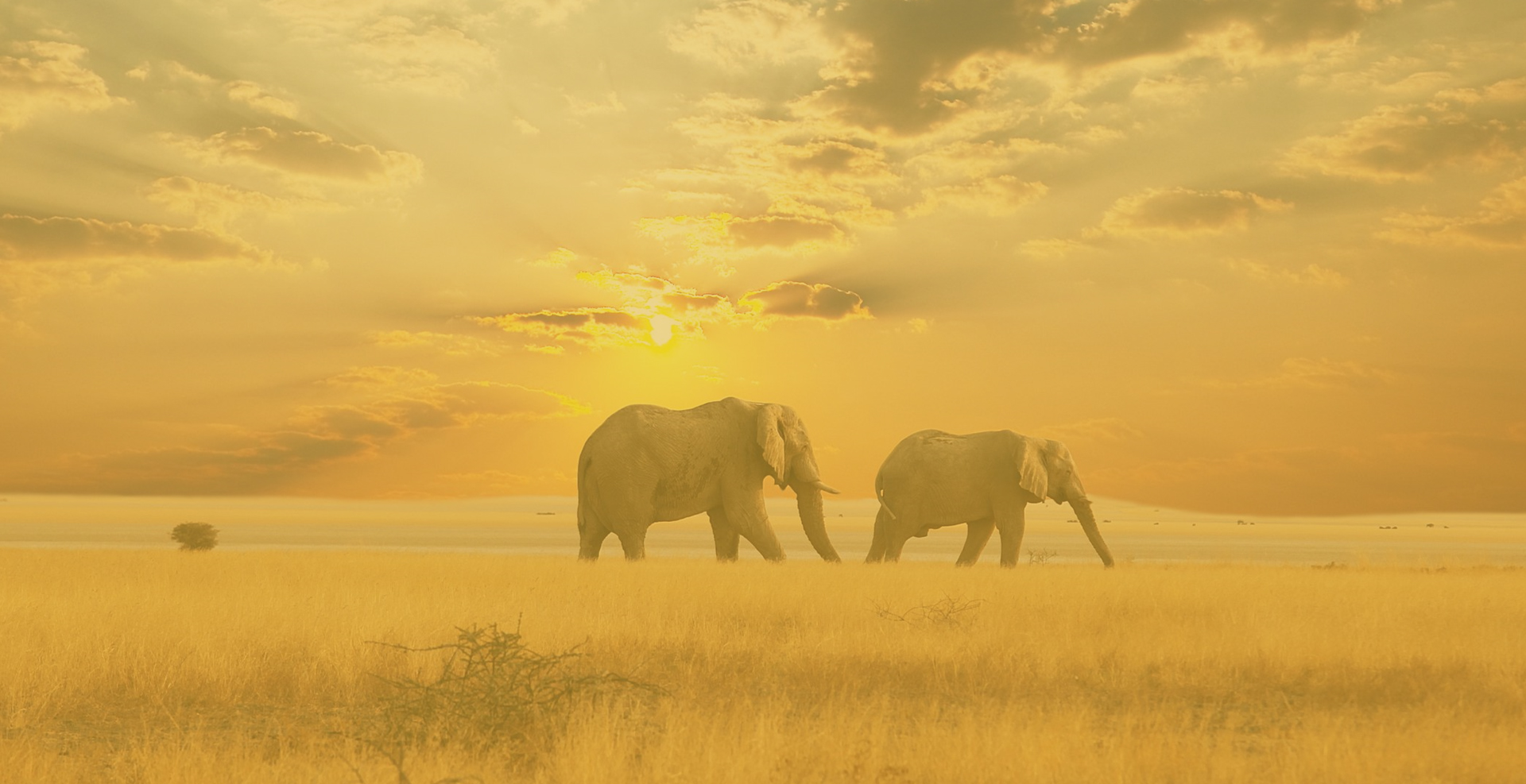
In the savanna climate there is a distinct dry season, which is in the winter. Savannas get all their rain in the summer months. During the distinct dry season of a savanna, most of the plants shrivel up and die. Some rivers and streams dry up. Most of the animals migrate to find food.
Read More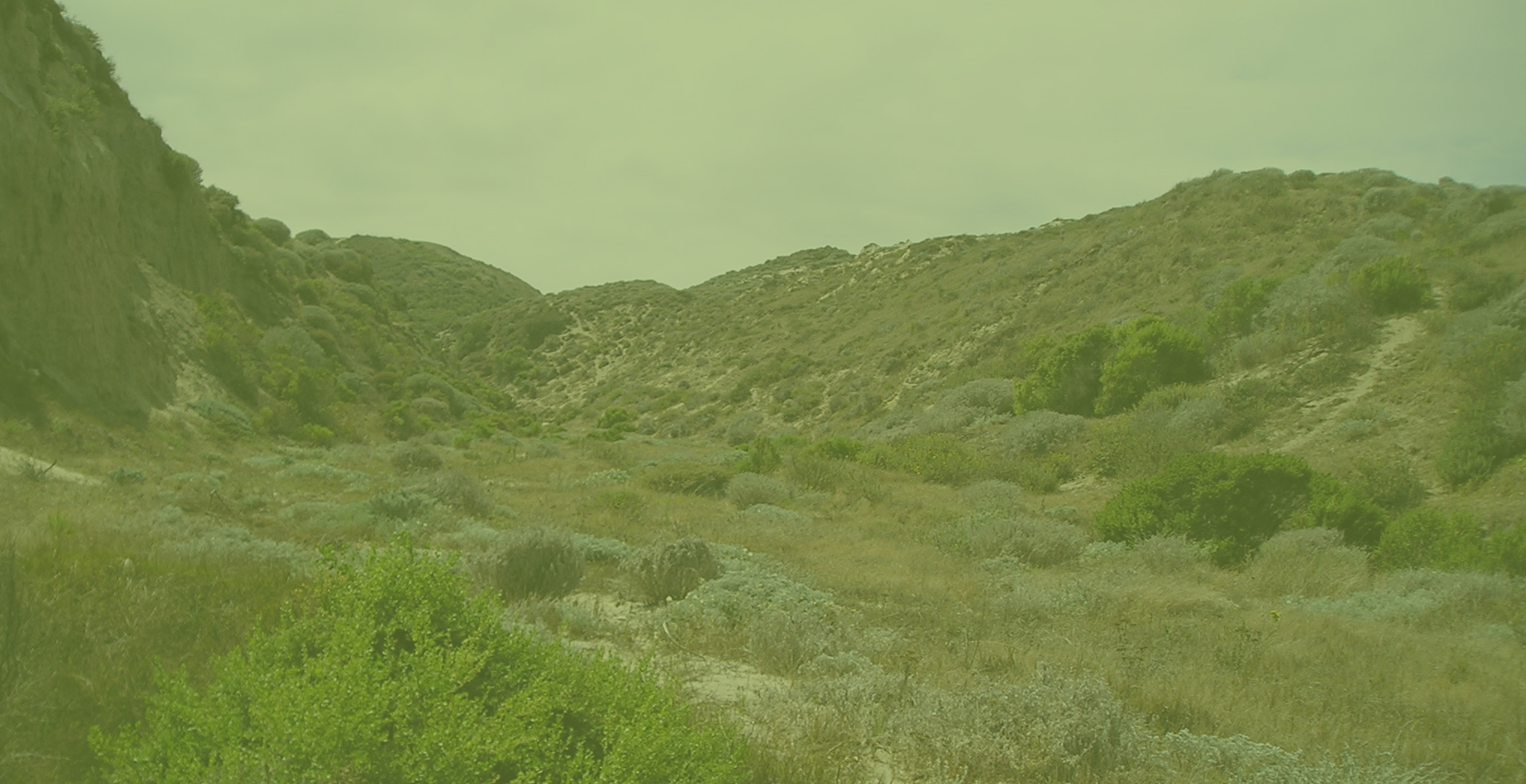
The chaparral biome is found in a little bit of most of the continents - the west coast of the United States, the west coast of South America, the Cape Town area of South Africa, the western tip of Australia and the coastal areas of the Mediterranean.
Read More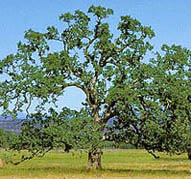
The blue oak is native to the state of California on the western coast of North America. In its natural habitat it grows in the valleys and lower slopes of the Coast Ranges, the lower western foothills of the Sierra Nevada, and the north slope of the San Gabriel Mountains.
Read More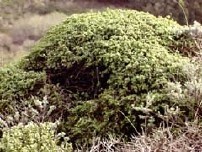
Coyote brush is a common chaparral plant in California and Oregon. It can be found all over California from San Diego County to Oregon, coastal sage scrub and chaparral, hillsides and in canyons below 2500 feet.
Read More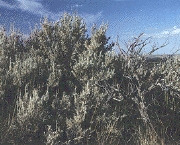
The Chaparral biome is one of the environments where sagebrush can be found. Sagebrush can also be found on the dry plains of the western U.S. and the drier southern side of mountains. The Chaparral climate has hot and dry summers with rainy and mild winters.
Read More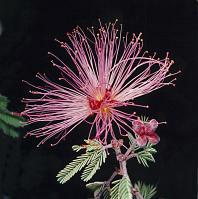
The Fairy Duster has pink-orange puff balls that can be up to 2 inches in diameter. These can bloom all year round but mostly in February through May.
Read More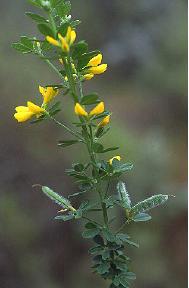
French broom is found in the Pacific Northwest and Northern Canada on the American continent. It is native to the Mediterranean region and Azores Islands. It probably got its name because of the way the branches grow.
Read More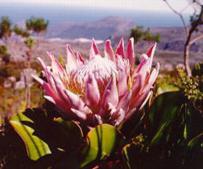
The King protea was originally from the Cape Town area of South Africa. It is actually the national flower of South Africa. Now King proteas can be found all over the world where the atmosphere is dry and the soil has good drainage. It can even be found on Maui.
Read More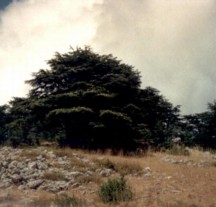
The Lebanon cedar is originally from Asia Minor. It is native to Lebanon, Syria and southern Turkey. It can be found in the Jebel Alaonite Mountains in Syria and Lebanon, and the Taurus Mountains of Syria and southern Turkey.
Read More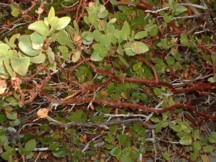
Mariposa manzanita is a native perennial shrub of the California Sierra chaparral. It is found in the foothills and montane regions of the Sierra Nevada and the northern Coast Ranges at elevations ranging from 250 to 6,500 feet.
Read More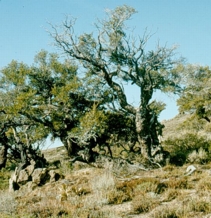
The California chaparral has hot summers with temperatures commonly above 100 ° F . The winters are about 50 ° to 60 ° F, but can very quickly drop to freezing. Occasionally there is snow in the winter, but it quickly melts off.
Read More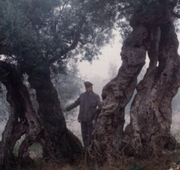
The olive tree is the oldest known cultivated tree in history. Olives were first cultivated in Africa, and then spread to Morocco, Algiers, and Tunisia by the Phoenicians. Olea europaea was first cultivated in Crete and Syria over 5000 years ago.
Read More